

The psychological effects of gambling understanding the mind behind the odds
The psychological effects of gambling understanding the mind behind the odds
The Allure of Gambling
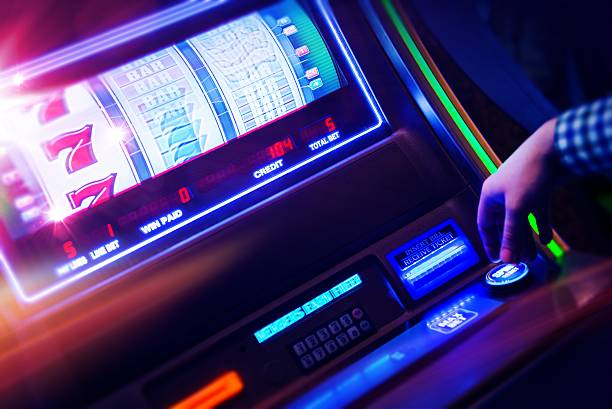
The psychological effects of gambling start with the inherent allure that draws individuals into casinos, both physical and online. The thrill of winning and the excitement of chance often overshadow the potential risks involved. This allure is exacerbated by vivid advertising and the social aspects of gambling, making it very easy for people to play poker for real money. The environment in a casino is designed to be stimulating, with bright lights and sounds that create a sense of urgency and excitement.

Moreover, the brain’s reward system plays a significant role in this attraction. When players win, their brains release dopamine, a neurotransmitter associated with pleasure and reward. This release can lead to a cycle of wanting more, as the individual seeks to replicate that high. Understanding this psychological aspect is crucial for both players and those concerned about gambling addiction.
The Role of Cognitive Biases
Cognitive biases greatly influence gambling behavior, leading players to make irrational decisions. One common bias is the illusion of control, where individuals believe they can influence the outcome of games of chance. This misconception can lead to overconfidence and increased gambling frequency, as players feel empowered to change their luck.
Additionally, gamblers often fall prey to the gambler’s fallacy, believing that past outcomes will affect future results. For example, someone may think that a game of roulette is “due” for a win after several losses. These cognitive biases significantly impact decision-making and can lead to problematic gambling behaviors.
The Psychological Impact of Losses
The emotional toll of gambling can be severe, especially when players experience significant losses. Many individuals may enter a state of denial about their gambling habits, clinging to the hope of a future win. This denial can lead to financial strain, damaged relationships, and mental health issues such as anxiety and depression.
Additionally, the psychological effects of loss can fuel a cycle of chasing losses. Gamblers may feel compelled to continue playing in an attempt to recoup their losses, leading them deeper into a negative spiral. Awareness of these patterns is vital in addressing gambling-related issues and seeking help when necessary.
The Distinction Between Online and Brick-and-Mortar Gambling
The rise of online gambling has changed the landscape of how individuals engage with games of chance. Online platforms offer convenience and accessibility, allowing players to gamble from the comfort of their homes. However, this also makes it easier for individuals to lose track of time and money, often leading to increased gambling frequency.
Conversely, brick-and-mortar casinos provide a tactile and immersive experience that can heighten emotions. The social interactions and immediate feedback from the environment can create a different psychological atmosphere compared to online gambling. Understanding these distinctions can help individuals make informed choices about their gambling habits and recognize potential risks.
Conclusion and Considerations
Understanding the psychological effects of gambling is essential for both players and their loved ones. Awareness of the cognitive biases, emotional impacts, and differences between online and brick-and-mortar gambling can aid in making healthier choices. Responsible gambling practices can mitigate risks and enhance the enjoyment of games of chance.
For those seeking information and resources related to gambling, the website serves as an informative platform. It aims to provide users with insights into the complexities of gambling behavior and promote responsible practices, ensuring a well-rounded understanding of the subject matter.